Encyclopaedia Britannica and Merriam-Webster Sue OpenAI for Massive Copyright Infringement
Encyclopaedia Britannica and Merriam-Webster have filed a lawsuit against OpenAI, alleging that the AI giant has committed "massive copyright infringement" by scraping and using nearly 100,000 copyrighted articles without permission to train its…
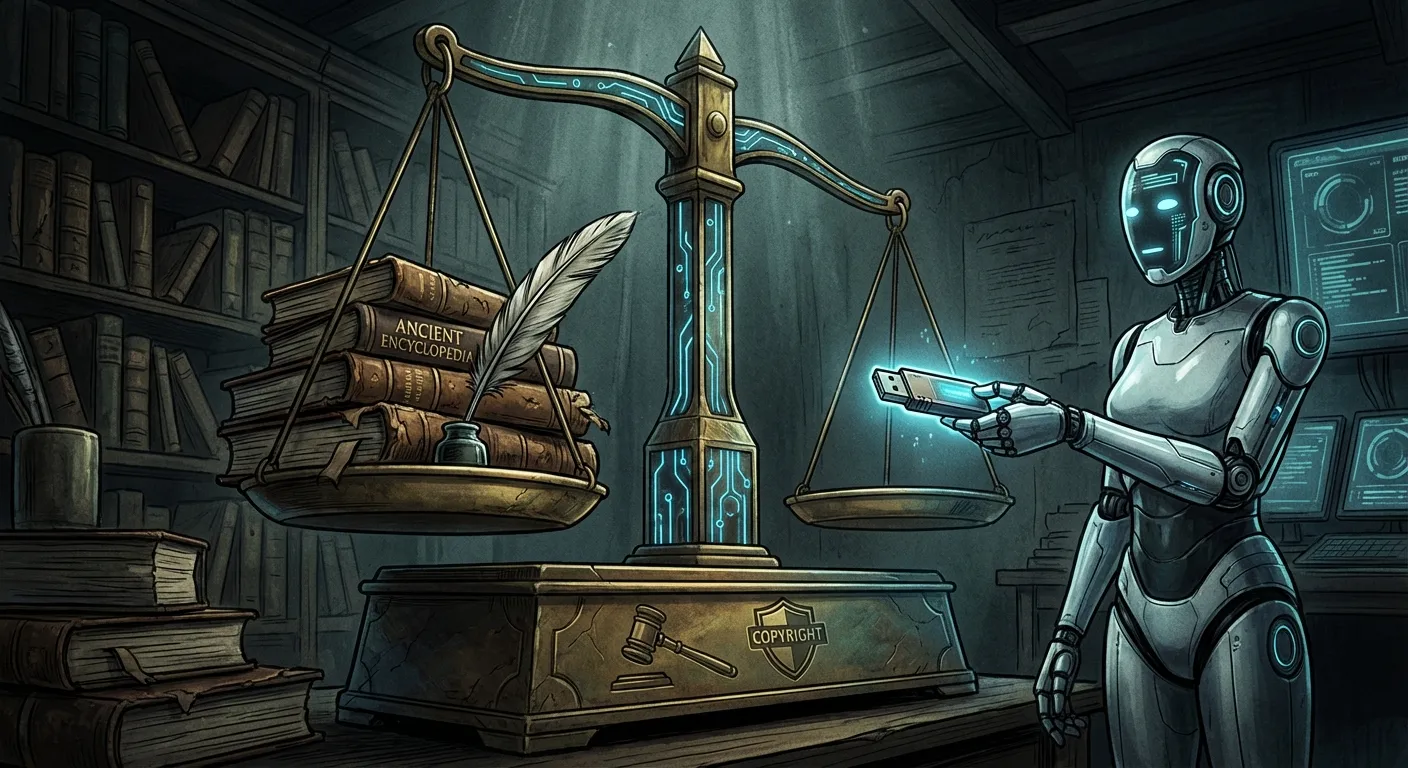

Encyclopaedia Britannica and Merriam-Webster have filed a lawsuit against OpenAI, alleging that the AI giant has committed "massive copyright infringement" by scraping and using nearly 100,000 copyrighted articles without permission to train its large language models.
What the Plaintiffs Allege
Britannica, which owns Merriam-Webster, claims OpenAI has violated their copyright in three ways:
- Training: Britannica's articles were scraped and used to train OpenAI's LLMs without permission or compensation.
- RAG Workflow: OpenAI uses Britannica's content in ChatGPT's "Retrieval Augmented Generation" workflow — where the model searches the web for updated information.
- Verbatim Reproduction: ChatGPT sometimes generates responses that contain "full or partial verbatim reproductions" of Britannica's copyrighted content.
Additionally, OpenAI is accused of violating the Lanham Act (trademark law) when ChatGPT fabricates hallucinated claims and falsely attributes them to Britannica.
The Battle Over Content Revenue
"ChatGPT starves web publishers like Britannica of revenue by generating responses to users' queries that substitute, and directly compete with, the content from publishers," the lawsuit states.
Britannica points to a fundamental threat: if AI models summarize their content for free, users lose the incentive to visit websites, read articles, and click on advertisements.
A Growing Front Against OpenAI
Britannica is far from alone. OpenAI is already being sued by The New York Times, Ziff Davis (owner of Mashable, CNET, IGN, and PC Mag), and numerous American and Canadian newspapers, including the Chicago Tribune, Denver Post, and Toronto Star.
Together, these cases could shape the framework for how AI companies can legally use publicly available content — and potentially force large licensing agreements or fee arrangements for content owners.
What This Means for the AI Industry
The lawsuit underscores an escalating legal crisis in the AI industry. Until now, OpenAI has largely argued that training on publicly available data falls under "fair use." But if courts begin to rule otherwise, the consequences could be dramatic — not just for OpenAI, but for the entire training data foundation of modern AI models.