Nvidia Bets Big on AI Inference: Sees $1 Trillion Revenue Opportunity by 2027
pNvidia CEO Jensen Huang delivered one of the most ambitious statements in tech history at GTC 2026: the company now sees a revenue opportunity of at least $1 trillion for its AI chips through 2027 — doubling the $500 billion forecast from its last…

Nvidia CEO Jensen Huang delivered one of the most ambitious statements in tech history at GTC 2026: the company now sees a revenue opportunity of at least $1 trillion for its AI chips through 2027 — doubling the $500 billion forecast from its last earnings call in February.
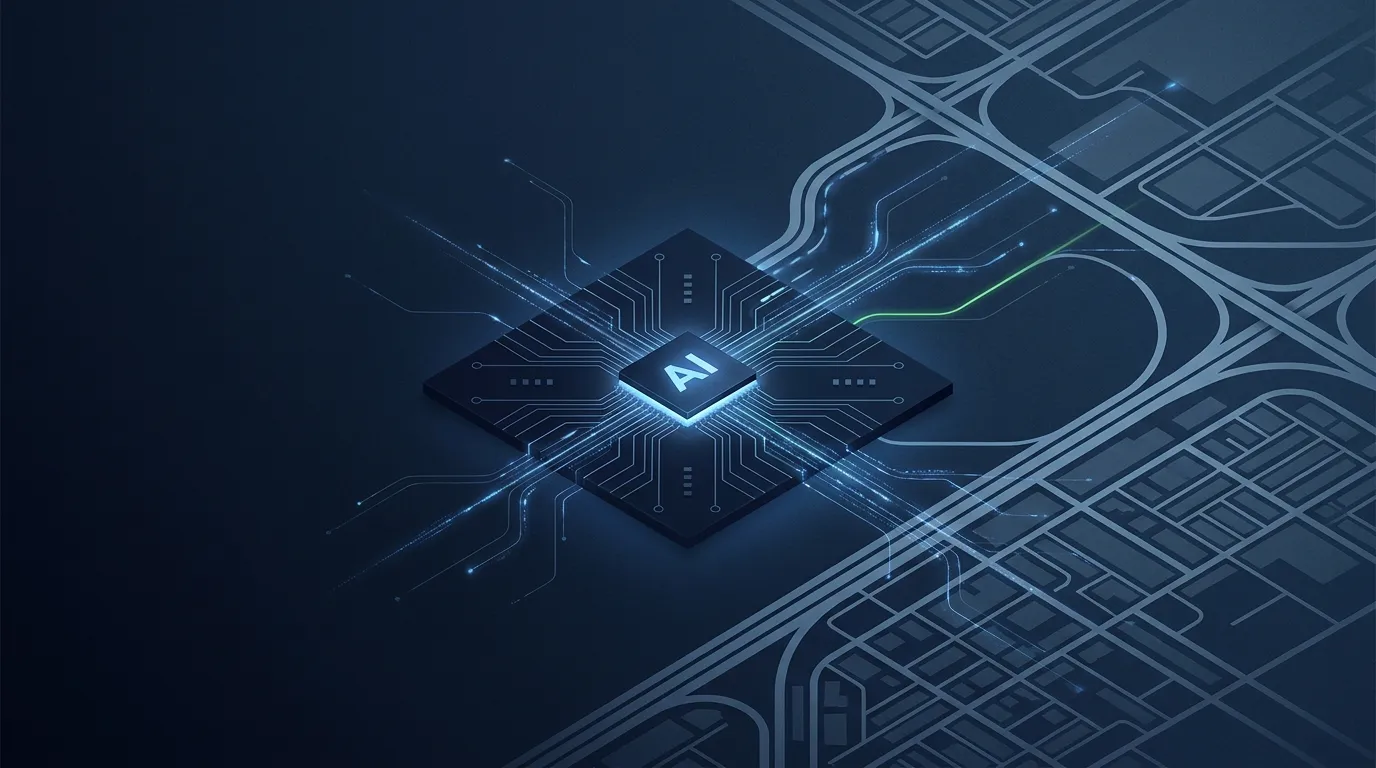
The key driver is a strategic shift: Nvidia is moving from dominating AI training to aggressively targeting the inference market.
Training vs. Inference — A Crucial Distinction
The training market is about building AI models. The inference market is about running them — and that's where growth is now happening. As AI models spread to millions of users and applications, it's inference workloads that are driving GPU demand going forward.
Nvidia announced its Vera Rubin architecture as the company's next GPU generation, specifically optimized for inference workloads. CEO Huang also unveiled perhaps the most audacious product of the conference: NVIDIA Space-1 Vera Rubin — an AI computer designed for space-based data centers.
What This Means for Enterprise Leaders
Nvidia's forecast signals that AI infrastructure investment isn't slowing — it's accelerating. For CIOs and IT leaders, this means:
- Capacity pressure: Demand for GPU power will remain high, and cloud capacity wait times may increase
- Inference optimization: Companies building their own AI solutions should now think as much about inference cost as training cost
- Nvidia partners: Azure, AWS, and GCP will all be building out Vera Rubin capacity — watch availability closely
The full GTC 2026 keynote confirmed what many already suspected: Nvidia is no longer just a chip manufacturer — they're building the entire AI stack, from hardware to software to cloud services.