NVIDIA and OpenAI lock in an 8 GW AI factory in Ohio
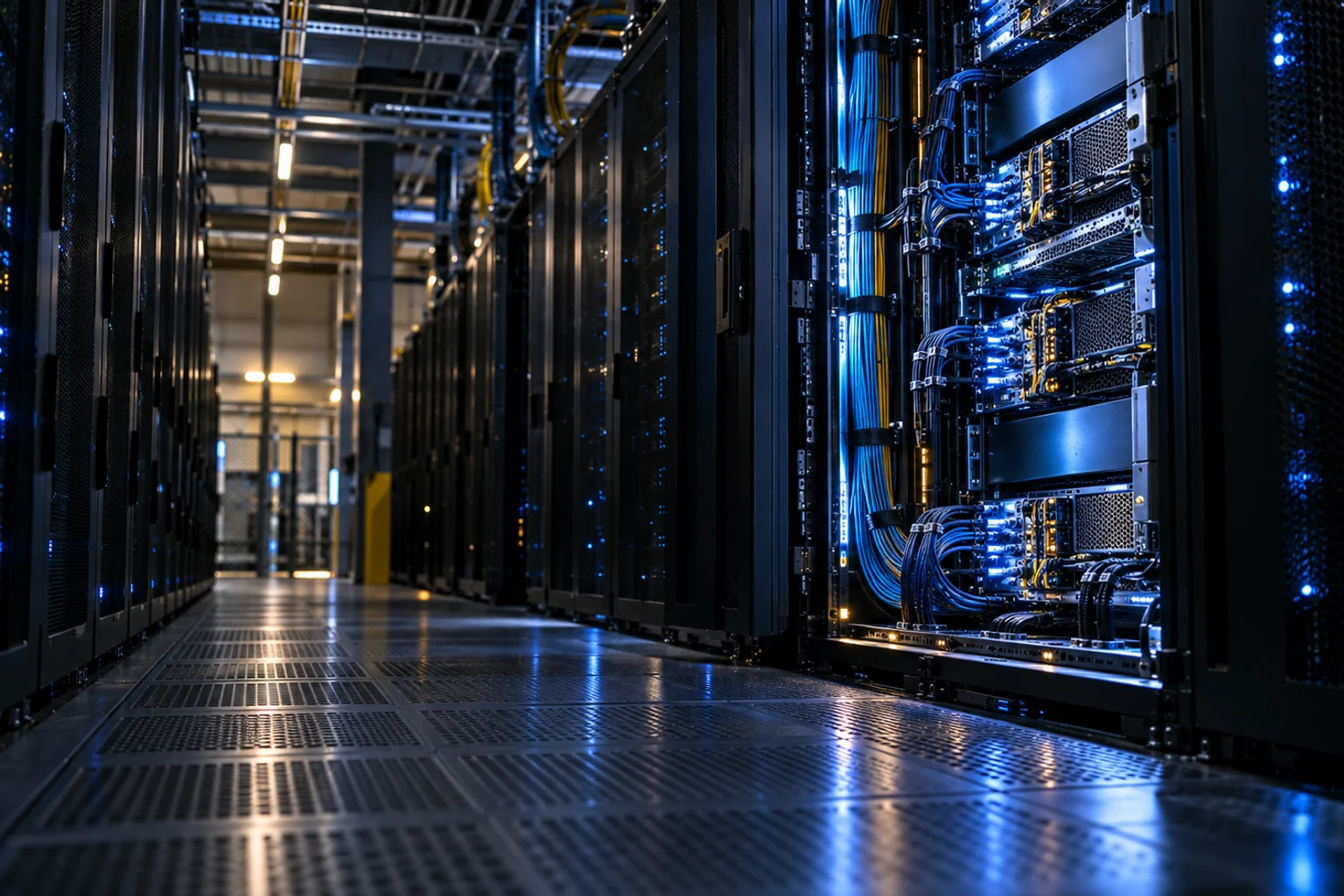
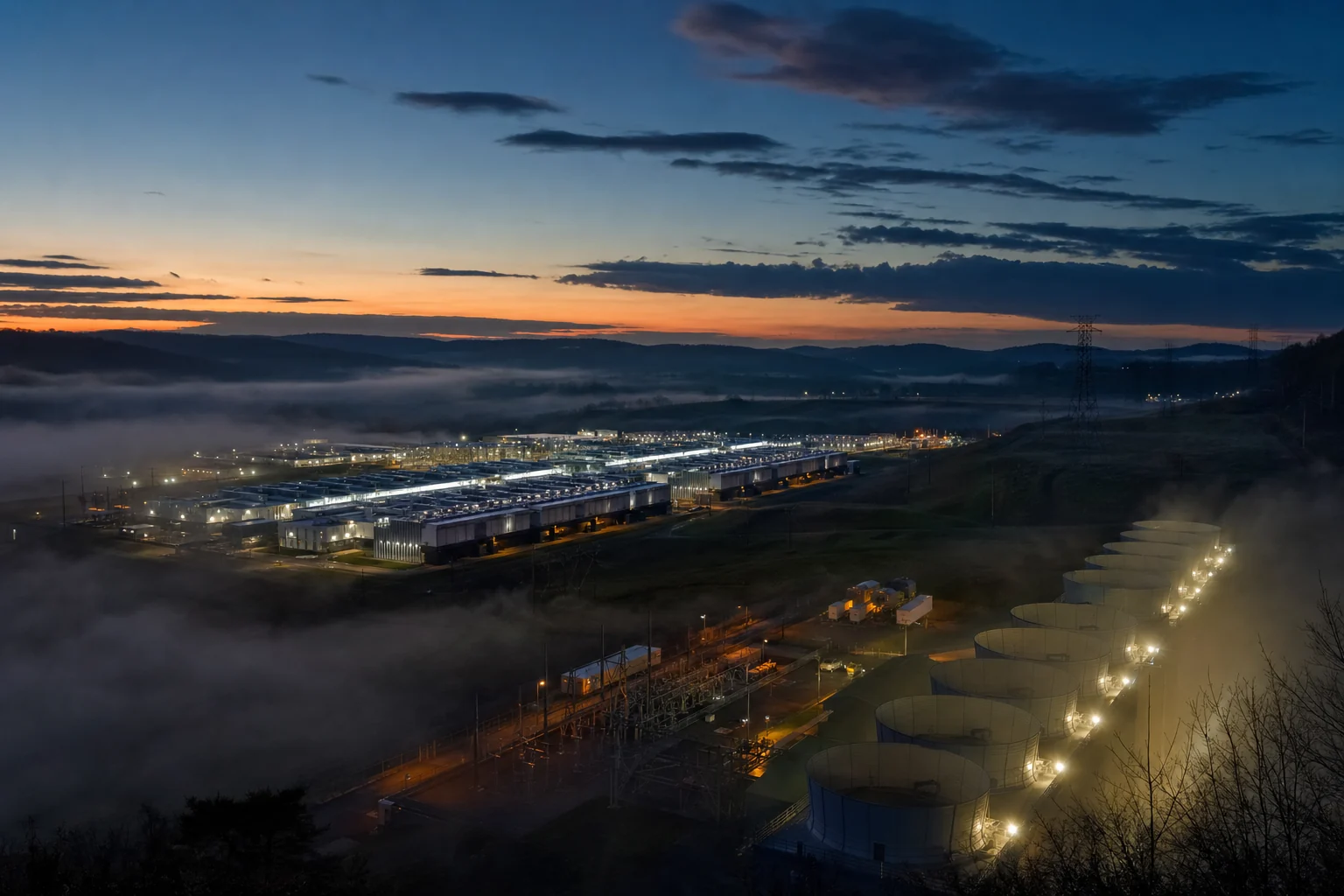
NVIDIA and OpenAI, together with SoftBank-owned SB Energy, have formalized one of the largest AI infrastructure deals yet: the PORTS-Pike Technology Campus in Pike County, Ohio. In its 17 August 2026 press release, NVIDIA says it has secured land, power and shell capacity to host exclusive NVIDIA AI factories. OpenAI is the customer. SB Energy will build, own and operate the site under a 20-year lease to OpenAI.
This is not a routine cloud launch. It is a signal that frontier AI is now financed and built like heavy industry: power first, chips second, tokens third.
What was actually agreed
NVIDIA’s summary of the deal:
- NVIDIA will be the exclusive AI compute infrastructure provider at PORTS-Pike.
- NVIDIA will provide credit support on land, power and shell to secure an initial 4.25 IT-GW, with an option on a further 3.75 IT-GW.
- OpenAI is the customer for a total of 8 IT-GW.
- NVIDIA will invest $1.5 billion in SB Energy, joining existing investors SoftBank Group and OpenAI.
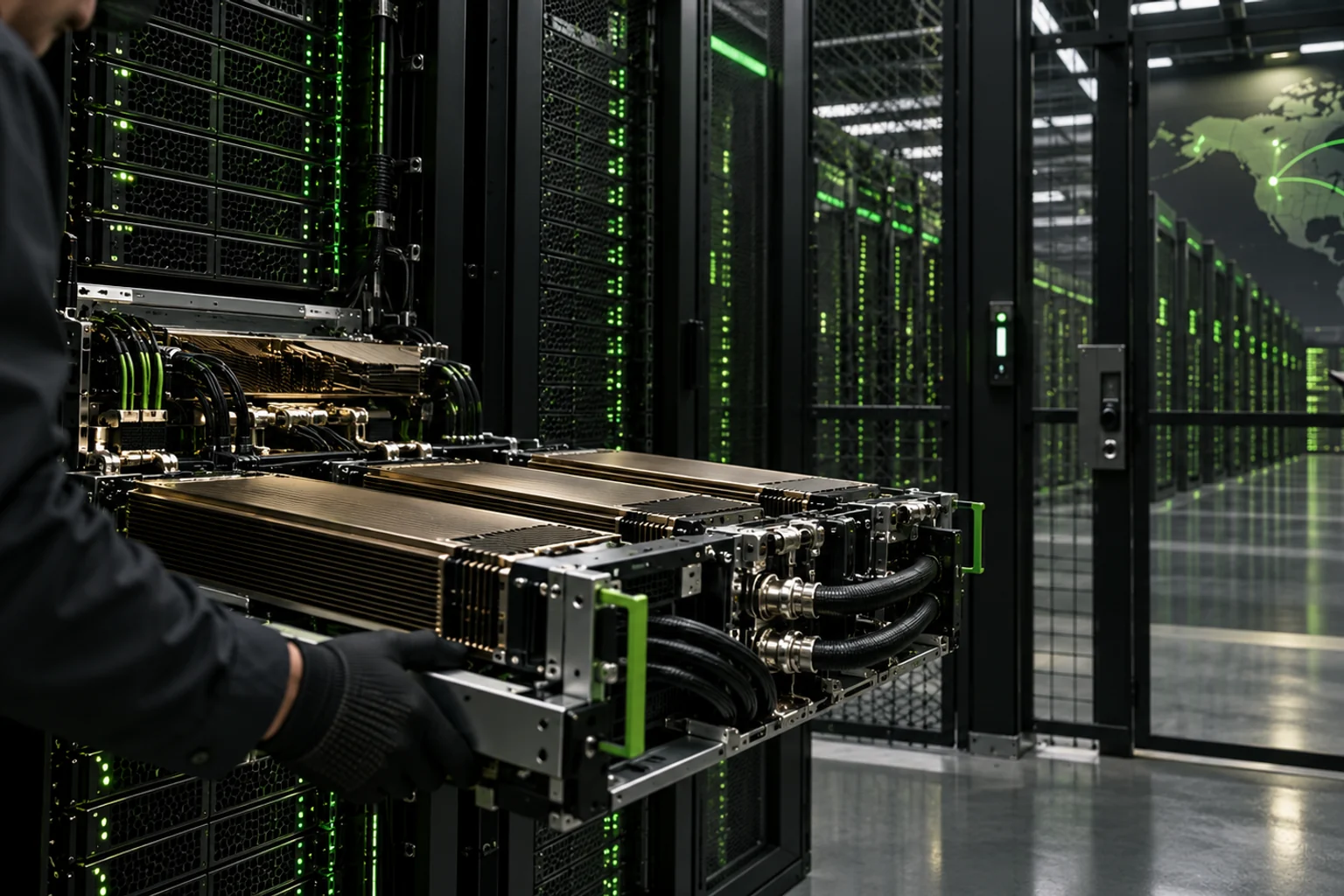
- The site will use NVIDIA’s full-stack DSX AI factory platform (GPUs, CPUs and networking).
- Capacity is expected to come online in phases beginning in 2028.
- SB Energy and SoftBank will build at least 10 GW of new energy generation (enabling 8 IT-GW of AI factory capacity) and invest at least $4.2 billion in regional grid infrastructure with AEP Ohio.
- OpenAI adds $40 million to an existing community benefits fund, taking the initial pot to $80 million.
Reuters and other top-tier outlets report that NVIDIA’s credit support could reach about $105 billion. That figure is less explicit in the main press-release body, but it sits inside the same financing story. For executives the takeaway is identical: the chip vendor is no longer only selling boxes; it is underwriting the factory that produces capacity.
Jensen Huang frames it industrially: land, power and shell have become critical inputs, and NVIDIA wants long-lived infrastructure that can be upgraded generation after generation. Sam Altman stresses scale: enough compute for millions of people to use AI for work we can only begin to imagine.
Why boards and CIOs should care
1. AI capacity is becoming a capital good. When OpenAI needs gigawatt scale and NVIDIA must put credit and equity behind the energy company building the plant, “we opened an API account” is no longer a strategy. Capacity, lead time and reservation matter as much as model choice.
2. Vendor lock-in hardens. Exclusive NVIDIA compute on a campus OpenAI leases for 20 years tightens an already close model-chip axis. That can improve performance and roadmap alignment. It is also concentration risk for anyone building critical workflows on one model family and one GPU stack.
3. Price and access will follow infrastructure. When factories are financed with multi-billion guarantees and multi-year power projects, enterprise margins, priority and SLAs will reflect that cost base. Expect more capacity contracting, harder top-tier pricing, and a wider gap between best-effort APIs and guaranteed agent runtime.
4. Europe and Norway lag on power + build. The Ohio deal explicitly couples an AI factory to new generation, grid investment and public-private coordination. Norwegian organisations planning local training, inference or sovereign environments must price the same constraints: power access, grid capacity, cooling, permits and lead time — not only GPU list prices.
What to do in the next 90 days
- Map dependency. What share of critical processes can only run on an OpenAI/NVIDIA stack? What is the alternative path?
- Separate demos from factories. Production agent workflows need capacity and cost envelopes, not only model APIs. Budget per successful task and per agent-hour.
- Demand contract transparency. Ask about underlying compute binding, region, failover, export controls and what happens in a capacity crunch.
- Put energy and location risk in the board pack. For regulated Norwegian sectors, data residency is only half the story. The other half is whether critical AI capacity is available when you need it.
- Design exit before you scale. Multi-model gateways, eval sets and portable prompts/tools are cheaper to build before volume explodes.
What this is not
This is not proof that every organisation should build its own AI factory. Most should still buy model and cloud capacity. It is also not a green light to lock the entire AI strategy to one lab. It is a warning that the frontier economy is industrialising: whoever controls power, chips and long-term leases sets terms for everyone else.
PORTS-Pike is phased from 2028. That leaves a narrow but real window to clean up vendor strategy before the next capacity wave hits price, SLA and priority.
Sources and media
- Primary source: NVIDIA Newsroom, “NVIDIA Guarantees SB Energy's PORTS-Pike Technology Campus in Ohio to Exclusively Host NVIDIA AI Compute”, 17 August 2026 — https://nvidianews.nvidia.com/news/nvidia-guarantees-sb-energy-s-ports-pike-technology-campus-in-ohio-to-exclusively-host-nvidia-ai-compute
- source_name: NVIDIA Newsroom
- Corroboration: Reuters on up to $105 billion guarantee; OpenAI RSS item “OpenAI joins PORTS-Pike project” (https://openai.com/index/openai-joins-ports-pike-project)
- Thumbnail: OpenAI Image 2 / hogby.ai
📬 Likte du denne?
AI-nyheter for ledere. Kuratert av en CIO som bygger det selv. Daglig i innboksen.