OpenAI Releases GPT-5.4 Prompting Playbook: How to Build Brand-Specific Frontends with AI
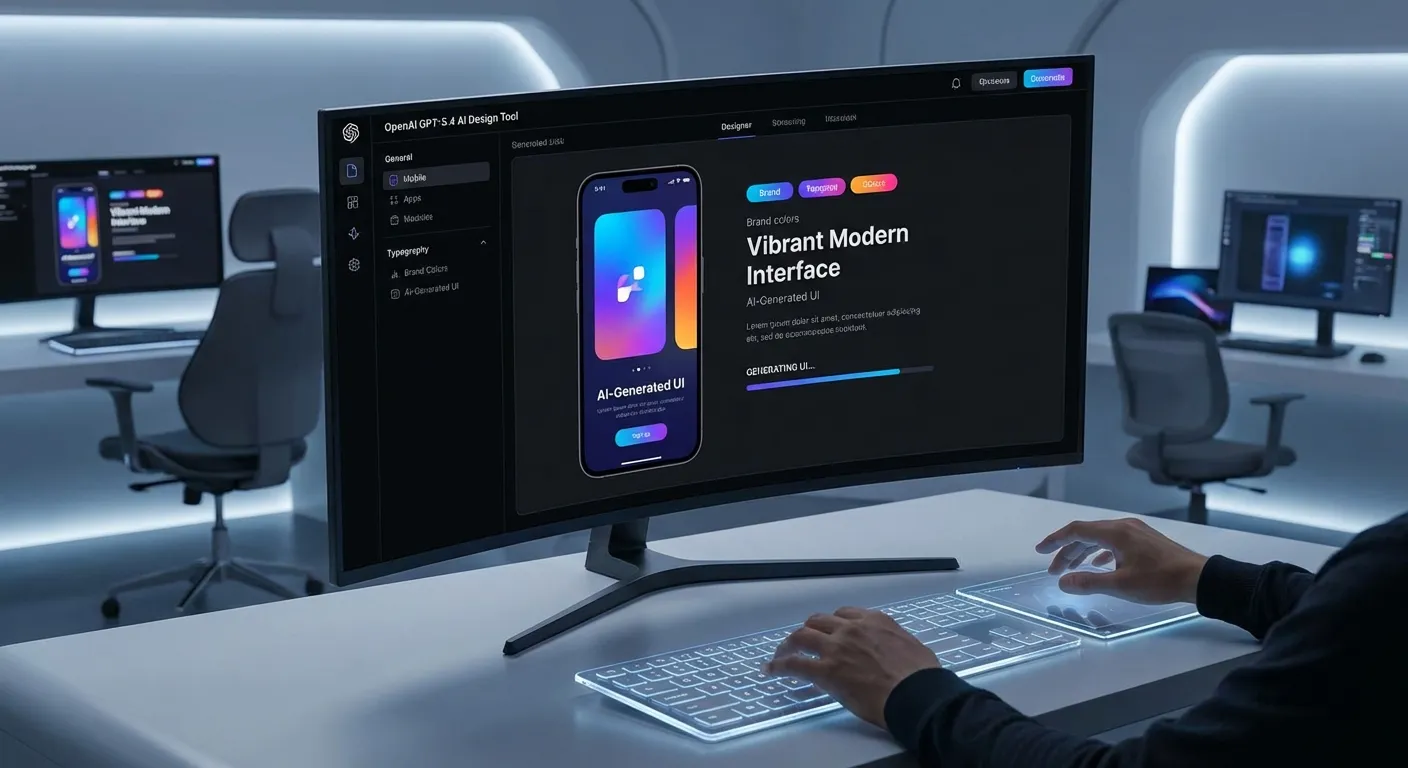

OpenAI has published a detailed prompting guide for GPT-5.4 aimed at designers and developers using the model for frontend development. The guide directly addresses a well-known problem: without precise instructions, AI tools default to generic patterns from training data.
The core advice is concrete. Define a design system upfront, including colors, typography, and layout rules. Use real content rather than placeholder text. Ask the model to generate mood boards and visual options early in the process, setting visual guardrails before the final output takes shape. Start with low reasoning levels and scale up as needed.
GPT-5.4 is OpenAI's first mainline model trained for computer use, capable of using Playwright to inspect and refine its own output. This matters: the model can in principle verify and improve what it generates, enabling a more iterative workflow.
The guide is partly a response to a clear market tension. A Designlab survey shows 83.5% of designers already use ChatGPT, yet more than half worry about AI's impact on design quality. OpenAI is making a direct attempt to address those concerns, demonstrating that brand-specific results are achievable with the right prompt strategy.
Google went in a different direction when it updated its Stitch tool on March 19 with a "vibe design" philosophy, generating UI from plain-language descriptions. The two approaches represent different views on the designer-AI relationship: precise control versus fast iteration.
For CIOs and technology leaders managing digital product teams, this is directly relevant. Prompt competency is becoming a real design skill, not just something for experimental hackathons.