Canva AI 2.0 turns Canva into an agentic design platform
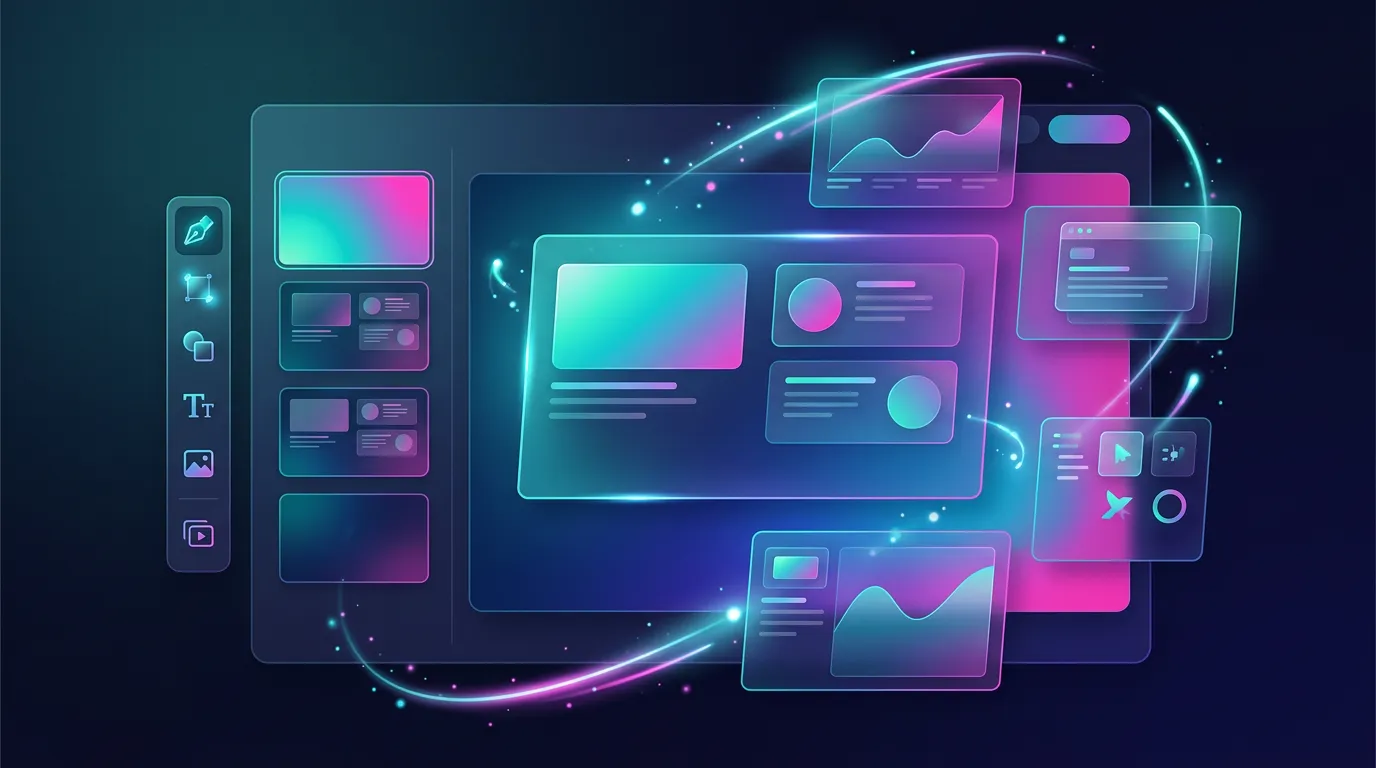

Canva unveiled Canva AI 2.0 on April 16, launching a new research preview that pushes the product beyond simple content generation and toward more conversational, agentic work. The core idea is that users can describe an outcome in natural language, while Canva orchestrates multiple tools, workflows, and design objects in one continuous process.
This is bigger than another image-generation update. Canva describes a new architecture layer that combines conversational design, object-based intelligence, and connectors, giving users more precise editing, more context from other apps, and more automation across the work itself. Multiple launch reports also point to memory and background task execution as central parts of the 2.0 push.
That makes this relevant well beyond creative teams. When a platform already embedded across enterprises starts behaving more like a work agent than a design app, the competitive frame changes. Pressure rises on Adobe, Microsoft, and the broader model vendors competing to own the interface for knowledge work.
For CIOs, the important question is not whether Canva can produce prettier slides. It is whether design and document work are becoming an agentic workspace where AI gathers context, drafts outputs, and executes tasks across systems.
Source and date validation
The original source is Canva’s press release, "Canva Unveils Canva AI 2.0, Reimagining How The World Designs and Works," distributed via Business Wire and dated April 16, 2026 at 13:00 UTC. The item is therefore within both the 48-hour freshness rule and the last-90-minute scan window.