US Withdraws AI Chip Export Rules — Relief for Nvidia and AMD
The US Commerce Department has scrapped a proposal that would have required approval for AI chip exports to any country in the world. A major win for chipmakers — and for global AI infrastructure.
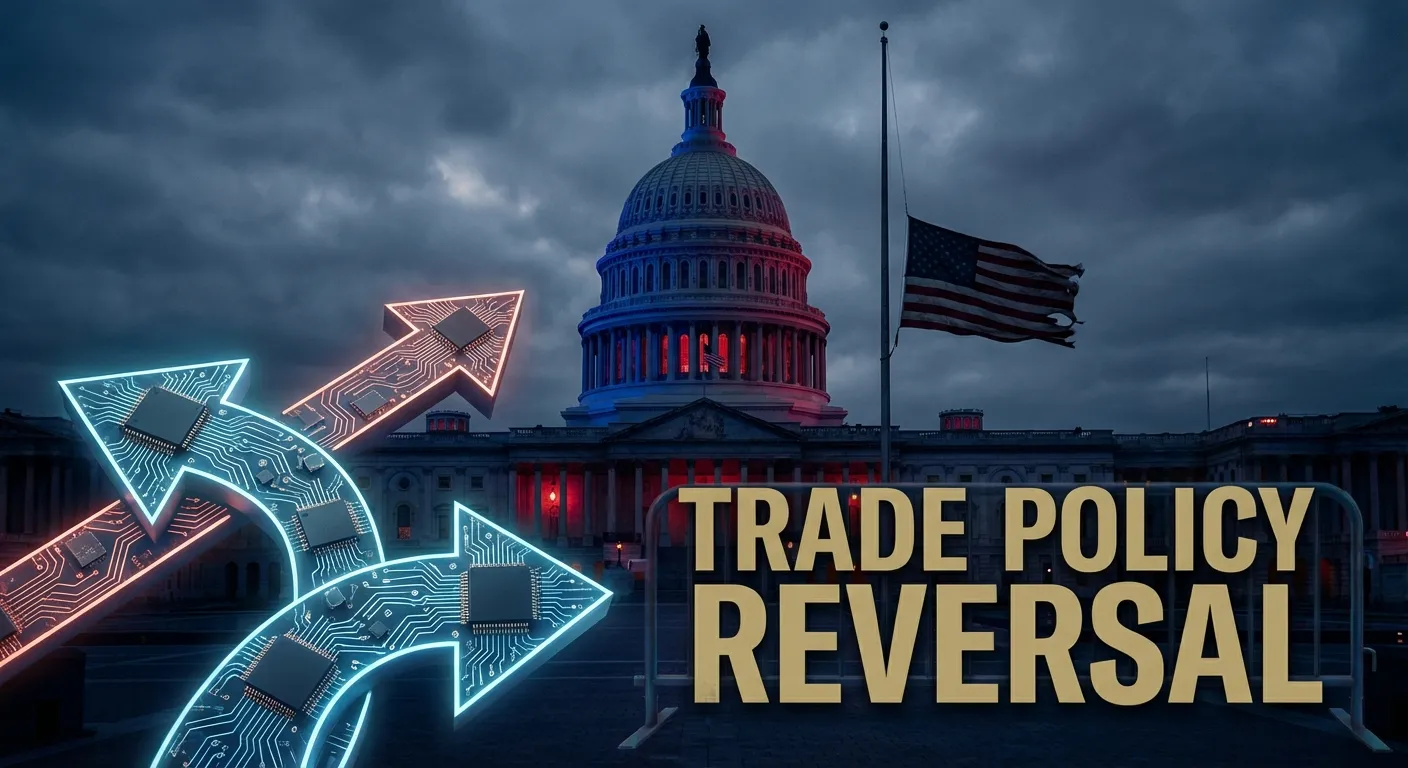

US Reverses Course: AI Chips Can Be Exported Freely
The US Commerce Department announced on March 13, 2026, that it is withdrawing a highly controversial proposal regarding AI chip export restrictions. The proposed rule would have required American companies like Nvidia, AMD, and Intel to seek prior approval from Washington to export their AI chips to any country in the world — not just China or adversarial nations.
The proposal faced fierce opposition from the technology industry, which warned it would put the US at a competitive disadvantage and delay global AI development. With the withdrawal, freer export of the chips powering future AI infrastructure resumes.
What This Means in Practice
- Nvidia and AMD can continue exporting H200, B200, and upcoming Blackwell/Rubin chips without country-by-country approval
- Global AI data centers get easier access to the capacity they need
- European enterprises building AI infrastructure avoid supply chain disruptions this would have created
- New rules are still under development — this is temporary relief, not a permanent solution
Context: GTC 2026 and Vera Rubin
The timing is not coincidental. Today Nvidia holds its GTC 2026 conference in San Jose, where Jensen Huang is presenting next-generation Vera Rubin chips. This withdrawal significantly strengthens Nvidia global market position.
My take: For CIOs planning AI infrastructure in 2026-2027, this is a clear green light. The AI chip supply chain is under pressure, but such a regulatory hurdle would have dramatically worsened the situation. Use this window now — lock in contracts with cloud providers and chip partners while the regulatory environment is stable. New restrictions will come, but they will likely be more targeted toward China than globally applied.